Last Updated: 8 May 2026
Key Points
- Different sports place different demands on cool, dry shirts, with some needing more airflow, stretch, durability, or weather resistance than others.
- Lightweight shirts work well for sports like basketball, running, and cricket, while heavier and stronger fabrics are better suited for contact sports like rugby.
- Matching the shirt fabric to the sport can improve comfort, durability, and how often teams actually wear the uniforms.
Cool dry sportswear refers to garments made from moisture-managing synthetic fabrics that move sweat away from the body and help it evaporate quickly. It’s commonly used across both performance apparel and sports-leisure ranges, including those offered by brands such as Sporte Leisure. But cool dry sportswear is not a single fabric or standard. Different sports place very different demands on performance shirts.
In this blog, we explain how those demands differ across sports and how cooling, stretch, durability, and weather resistance become more or less important depending on the activity.
Why One Cool Dry Shirt Doesn’t Suit Every Sport
“Cool dry” describes how a fabric manages moisture and heat. Within that category, the shirts are still classified based on:
- Fabric weight
- Structure of the knitting
- Stretch and recovery of the fabric
- Resistance to abrasion and tearing
- Tolerance to weather and frequent washing
For example, a lightweight variant works well for indoor sports. But when you wear it in contact-heavy sports, it is likely to fail.
What the Comparison Is Based On
The sport-by-sport performance comparison in this guide is based on the practical demands placed on a shirt during real use, not generic performance claims. These are the aspects to consider when choosing:
- Heat and sweat generation – how much cooling and moisture management is required
- Movement and mobility – how much stretch and recovery the fabric needs
- Physical stress on the garment – contact, pulling, abrasion, and washing frequency
- Environmental exposure – sun, rain, indoor heat, or long wear times
Attributes to Consider
| Performance Attribute |
What It Means in Practice |
| Cooling |
How effectively heat escapes and sweat evaporates during play |
| Stretch |
How freely the fabric moves and recovers during repeated motion |
| Durability |
Resistance to tearing, abrasion, contact, and breakdown over time |
| Water resistance |
Ability to limit moisture absorption in wet or damp conditions |
Not every sport need all of these at the same level. In fact, over-engineering a shirt for the wrong purpose often leads to discomfort, reduced wear, or premature failure.
What Each Sport Needs for Their Shirts
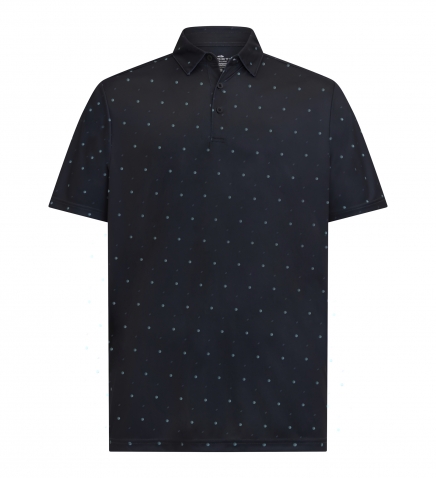
Golf
Playing golf involves a long period of time spent outdoors, controlled movement, and a strong emphasis on looking neat.
Key requirements
- High breathability for sun exposure
- Stretch through the shoulders and torso for rotational movement.
- Fabric that is lightweight
- Clean, structured presentation
Characteristics to Look For:
- Lightweight polyester fabric that allows natural movement
- Pique or smooth knit construction to improve airflow
- UV-resistant fabric suitable for extended outdoor wear
Rugby
Rugby places extreme physical stress on garments.
Key requirements
- Very high resistance to tearing and abrasion
- Strong seams and construction
Characteristics to Look For:
- Heavier-weight polyester
- Tight-knit structure
- Reinforced stitching
Basketball
Basketball generates high body heat through continuous movement, usually indoors. To cater to that, basketball shirts should have:
- Maximum airflow
- Rapid sweat evaporation
- Lightweight feel
- Freedom of movement
Characteristics to Look For:
- Open-knit structure to improve airflow
- Very lightweight fabric to reduce heat build-up
- Designed to move sweat away from the skin and dry quickly
Soccer
Soccer is all about endurance running and outdoor exposure. That’s why it requires:
- Strong cooling
- Moderate durability
- Stretch for movement
- Consistent performance over time
Characteristics to Look For:
- Mid-weight polyester
- Breathable knit structure
- Good stretch recovery
Cricket
Cricket involves extended periods outdoors, often in direct sun. So, opt for shirts with:
- Excellent breathability
- Lightweight fabric
- Comfort during long sessions
Characteristics to Look For:
- Ultra-light polyester
- Relaxed fit
- Smooth seams
Athletics & Running
Movement and heat release are needed for this type of sport. So, it’s best to go for shirts that features:
- Very high stretch
- Maximum airflow
- Minimal fabric weight
Characteristics to Look For:
- Ultra-light polyester
- High stretch construction
- Fast-drying fabric
Training & Gym Use
Training involves varied movements and repeated use.
Key requirements
- Good cooling
- High stretch
- Moderate durability
Characteristics to Look For:
- Lightweight to mid-weight fabric
- Stretch-friendly construction
- Durable knit
Performance Comparison
| Sport / Use Case |
Cooling |
Stretch |
Durability |
Water Resistance |
Why These Matter |
| Golf |
High |
High |
Low |
Low |
Long outdoor wear, rotational movement, presentation |
| Rugby |
Moderate |
Moderate |
Very High |
Low |
Heavy contact, abrasion, frequent washing |
| Basketball |
Very High |
High |
Low |
Low |
Continuous sprinting, indoor heat |
| Soccer |
High |
Moderate |
Moderate |
Low |
Endurance, outdoor exposure |
| Cricket |
High |
Low |
Low |
Low |
Long wear times, sun exposure |
| Athletics / Running |
Very High |
Very High |
Low |
Low |
Airflow, unrestricted movement |
| Training / Gym |
High |
High |
Moderate |
Low |
Mixed movement, repeated use |
Why This Comparison Matters for Teams and Brands
Using a sport-by-sport approach helps teams and organisations avoid common mistakes, such as:
- Choosing ultra-light fabrics for contact sports
- Using heavy, durable fabrics where cooling is critical
- Over-specifying performance features for leisure or casual use
Matching fabric performance to the actual demands of the sport leads to:
- Better comfort
- Longer garment life
- Higher wear rates
- More consistent presentation
Final Takeaway
Cool dry sportswear is not one-size-fits-all. Golf, rugby, basketball, soccer, and cricket all require different performance outcomes from their shirts. Choosing sportswear based on how the sport is played and how it is worn in real conditions yields better-performing garments and greater long-term value for sporting teams and brands.
Shop From Our Range
[team_member image_url=”271209″ team_memeber_style=”meta_below” link_element=”name” color=”Accent-Color” image_size=”thumbnail” name=”Aubrey Vitor” job_position=”Marketing Merchandise Expert” description=”Aubrey Vitor is a Marketing Merchandise Expert at Cubic Promote, Australia’s leading supplier of branded merchandise and uniforms. With over two years of experience working closely with Australian brands, Aubrey excels in helping businesses select the most effective branding techniques for their promotional products. Her expertise in product selection ensures that every item maximises its potential to drive brand visibility and engagement. Aubrey is also a regular contributor to industry articles and blogs, where she shares insights on how businesses can achieve their marketing goals with the right branded gifts and giveaways. Her deep knowledge of the promotional products sector and commitment to helping brands thrive make her a trusted authority in the field.” link_url=”https://new.cubicpromote.com.au/blog/author/aubrey”][/team_member]

About the Author
Marketing Merchandise Expert
Aubrey Vitor is a Marketing Merchandise Expert at Cubic Promote, Australia’s leading supplier of branded merchandise and uniforms. With over two years of experience working closely with Australian brands, Aubrey excels in helping businesses select the most effective branding techniques for their promotional products. Her expertise in product selection ensures that every item maximises its potential to drive brand visibility and engagement. Aubrey is also a regular contributor to industry articles and blogs, where she shares insights on how businesses can achieve their marketing goals with the right branded gifts and giveaways. Her deep knowledge of the promotional products sector and commitment to helping brands thrive make her a trusted authority in the field.
Follow Aubrey on LinkedIn