Last Updated: 08 May 2026
Key Points:
- Accurate merchandise planning ensures organisers have the right quantities for attendees, preventing overspending and shortages of popular items.
- Order lanyards and tote bags for 90–100% of attendees; provide optional giveaways for 30–50% of attendees.
- Our account managers suggest adding a small buffer and reviewing past event data to improve planning accuracy and reduce leftover stock.
Getting the right amount of conference merchandise is a common challenge for event organisers. If you order too much, you waste money and storage space. If you order too little, you miss out on branding opportunities when items run out early.
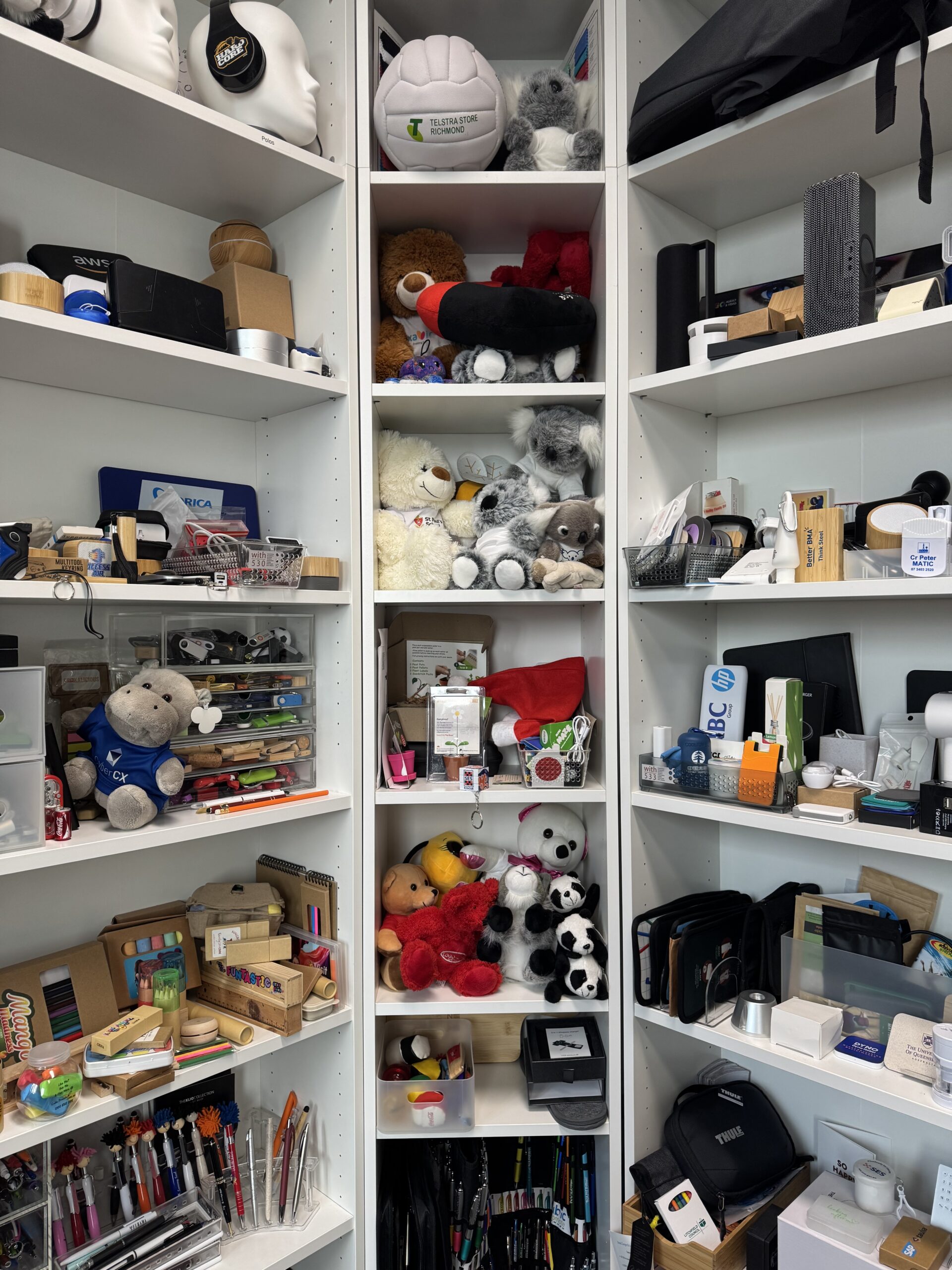
The main goal is to match your merchandise order to what attendees are likely to use. For Australian conferences, the right amount depends on how many people are coming, the event format, and how you plan to hand out items. This guide will show you how to estimate quantities so your merchandise lasts through the event without going over budget.
Why Planning Matters?
Conference merchandise is more than a giveaway. It supports:
- Brand visibility throughout the event
- Sponsor exposure
- Attendee engagement
- Practical convenience for guests
But if you don’t plan quantities well, problems can come up. For example:
- Popular items running out on day one
- Boxes of unused merchandise after the event
- Unbalanced distribution between sessions or booths
- Overspending on items that attendees ignore
A straightforward plan for quantities can help you avoid these issues.
Step 1: Start With Expected Attendance
First, look at how many people have registered. That’s always your starting point for all your calculations. However, not everyone who registers will pick up merchandise. At most Australian conferences, between 60% and 85% of attendees collect items, depending on what the item is and how it’s given out.
Collection Rates
These percentages help you decide how much to order. For example, if you have 500 attendees, you might only need 350 to 400 notebooks instead of 500.
Step 2: Understand How Items Are Distributed
The distribution of merchandise greatly affects quantity requirements.
Common Distribution Methods
Registration desk distribution
- Most predictable
- Higher pickup rates
- Easier inventory control
Booth giveaways
- Harder to predict
- Popular items disappear quickly.
- Requires higher buffer quantities
Session-based giveaways
- Limited to session capacity
- Lower overall volume required
VIP or speaker gifts
- Exact quantity required
- Small buffer recommended
If you plan your quantities based on how you’ll distribute items, you can cut down on waste.
Step 3: Classify Merchandise by Priority
Not all items need the same quantity. It helps to sort your conference merchandise into three tiers.
Tier 1: Essential Items
These are items most attendees expect. Examples include:
- Lanyards
- Name badge holders
- Conference programs
- Tote bags
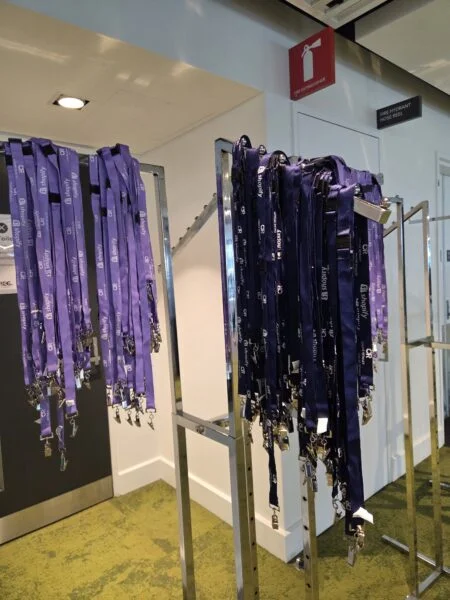
These should be ordered for 90–100% of attendees.
Tier 2: Practical Use Items
These are useful but not mandatory. Examples include:
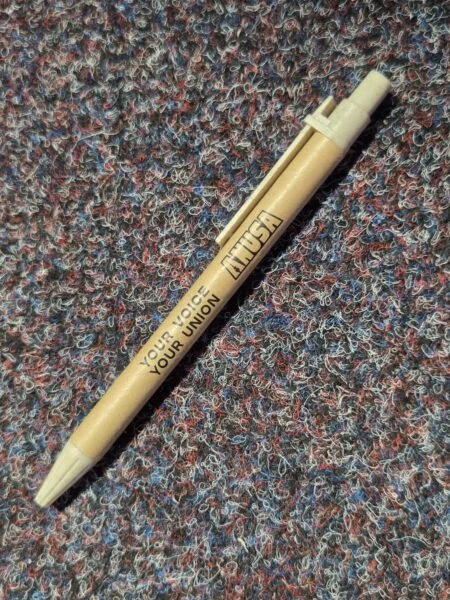
These usually require 60–80% coverage.
Tier 3: Optional Giveaways
These are promotional extras. Examples include:
These can be ordered for 30–50% of attendees, depending on your budget.
Quick Quantity Planning Table
| Merchandise Category |
Order Quantity Recommendation |
| Essential items |
90–100% of attendees |
| Practical items |
60–80% of attendees |
| Optional giveaways |
30–50% of attendees |
| VIP gifts |
Exact numbers + 10% buffer |
Step 4: Account for Multi-Day Conferences
If your conference lasts more than one day, you’ll need to plan even more carefully. For events running two or three days, merchandise distribution usually spreads across the event rather than happening all at once. Consider:
- Day-one welcome packs
- Session-based giveaways
- Sponsor booth promotions
- Closing ceremony gifts
In these situations, it’s often better to hand out items in smaller batches instead of all at once.
Step 5: Consider Sponsor Merchandise
Sponsors often supply their own promotional items. This means you don’t have to provide as many items yourself. Common sponsor items include:
- Branded pens
- USB drives
- tote bags
- desk accessories
- tech gadgets
Before ordering large quantities, confirm sponsor contributions. You may reduce some merchandise categories.
Step 6: Build a Safety Buffer
Even if you plan well, demand can still change during the event. Unexpected situations include:
- Higher attendee turnout
- Popular items trending on social media
- Delegates collecting items for colleagues
- Speakers requesting extra stock
Having a small buffer helps you handle these unexpected situations.
Recommended Buffer Quantities
| Item Type |
Suggested Buffer |
| Essential items |
10–15% |
| Practical items |
5–10% |
| Optional giveaways |
0–5% |
| VIP gifts |
5–10% |
This ensures you have enough flexibility without dramatically increasing order size.
Step 7: Learn From Previous Conferences
If this conference runs annually, past data is extremely valuable. Look at:
- Which items ran out first
- Which items were left behind
- Which booths attracted the most traffic
- Which merchandise did attendees carry during the event?
You’ll often see the same patterns each year. Use what you learn to improve your planning for next time.
Most Popular Conference Merchandise Items
Across Australian conferences, several merchandise categories consistently perform well.
Practical Items
- Branded tote bags
- Drink bottles
- Notebooks
- Pens
Tech Accessories
- Phone chargers
- Cable organisers
- USB drives
Event Convenience Items
- Lanyards
- Badge holders
- Conference folders
These items provide real value to attendees and are more likely to be taken home and reused.
Avoiding Ordering Mistakes
Mistake 1: Ordering Everything for Every Attendee
Not all merchandise needs 100% coverage. Many items are optional. If you order too many of these, you’ll end up wasting money.
Mistake 2: Underestimating Popular Items
Some products consistently run out early. These usually include:
- Tote bags
- drink bottles
- tech accessories
Simple Quantity Planning Example
Let’s say your conference expects 600 attendees. Using the planning framework:
| Item |
Recommended Quantity |
| Lanyards |
650 |
| Tote bags |
600 |
| Notebooks |
420 |
| Pens |
450 |
| Tech accessories |
300 |
| Optional giveaways |
200 |
What We Advise Conference Organisers
Conference merchandise works best when it is useful, well-timed and appropriately distributed. The safest strategy is:
- Order essential items for nearly all attendees.
- Limit mid-tier merchandise to realistic usage rates.
- Keep optional giveaways selective.
- Maintain a small buffer for flexibility.
Ready to get started? Use this framework to plan your event’s merchandise. Review your current process, try these strategies, and you’ll quickly see better brand visibility and a better experience for your attendees. Plan with confidence and make your conference merchandise something everyone will remember.
[team_member image_url=”272549″ team_member_style=”meta_below” link_element=”name” color=”Accent-Color” image_size=”thumbnail” name=”Charles Liu” job_position=”Owner” description=”Charles Liu is the Founder and a recognised authority in the promotional products and uniforms industry in Australia. With over 20 years of experience, he has guided Cubic Promote to work with over 15,000 Australian organisations. His specialty is helping Aussie companies select the right products that stay within their budget. He also specialises in sourcing and assisting brands and government agencies in selecting corporate gifts for VIPs and high-profile clients. A regular contributor to industry blogs, Charles shares his expert insights on using branded merchandise to achieve business goals. Charles’s deep understanding of industry trends and strong supplier relationships make him a trusted figure in the sector, continually influencing the development of both products and uniforms that deliver tangible, measurable results.” link_url=”https://new.cubicpromote.com.au/blog/author/charles”]Years of experience[/team_member]
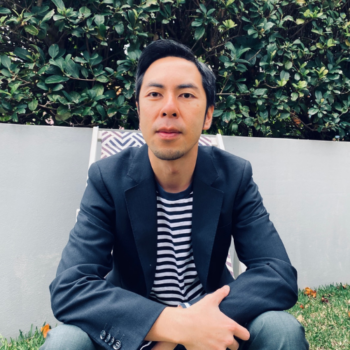
About the Author
Owner
Charles Liu is the Founder and a recognised authority in the promotional products and uniforms industry in Australia. With over 20 years of experience, he has guided Cubic Promote to work with over 15,000 Australian organisations. His specialty is helping Aussie companies select the right products that stay within their budget. He also specialises in sourcing and assisting brands and government agencies in selecting corporate gifts for VIPs and high-profile clients. A regular contributor to industry blogs, Charles shares his expert insights on using branded merchandise to achieve business goals. Charles’s deep understanding of industry trends and strong supplier relationships make him a trusted figure in the sector, continually influencing the development of both products and uniforms that deliver tangible, measurable results.
Connect with Charles on LinkedIn