
Promotional Bags In – Plastic Bags Out
Key Points:
- Australia has cut plastic bag use by nearly half since 2002, dropping from around 5.95 billion to about 3 billion bags.
- Branded bags like calico and non-woven options are now widely used as practical and reusable alternatives.
- Businesses can use these custom bags to support sustainability while consistently increasing everyday brand visibility.
It’s been many years now since 2002, when the Australian Environment Protection & Heritage Council decided on a nationwide need to reduce plastic bags. In place there was a set target with a gradual reduction of plastic bags in place as well as a recycling target to be met. So far this initiative is working! In 2002 there were 5.95 billion plastic bags used. Today there are probably around 3 billion bags, so almost a halving since 2002.
Reusable Bags as Alternatives
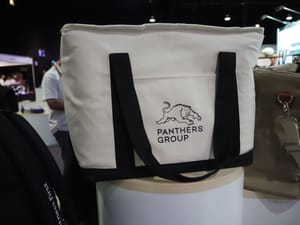
So our population has increased, and our bag use has gone down. So what gives? What do we use to carry things around? Well, the use of paper bags has gone up heaps, but the major contributor has been the reuse of products such as calico bags and non-woven bags. Commonly, these bags are branded with company logos and are reused. It is a very common sight to see promotional bags being used every single day.
If you are planning a conference, now is a good chance to try out these reusable bags. You can opt for:
- Cotton calico tote bags
- Paper bags (reusable)
- Laptop bags (for VIP guests)
- Other tote materials
Why? Well, the next phase of the plastic bag reduction is actually a 100% phase-out! This has already been supported by most retailers and supermarkets and is now just a matter of time until all retail bags are either paper bags or, where no bag is supplied, customers have to bring their own.
Why Are Plastic Bags Phasing Out
In fact, many places where I shop now require me to purchase a bag or to use my own. So now is the perfect time to jump in whilst Australia is in a plastic bag reduction phase to ensure that your brand gets out there first!! Phasing out plastic bags is recommended for several important reasons:
- Environmental Impact: Plastic bags are a major contributor to environmental pollution. They are not biodegradable and can persist in the environment for hundreds of years. Plastic bags often end up in landfills, waterways, and oceans, posing a significant threat to wildlife and marine ecosystems. They can be ingested by animals, causing harm or death. By phasing out plastic bags, we can reduce the amount of plastic waste and mitigate its negative impact on the environment.
- Resource Depletion: Plastic bags are made from non-renewable resources such as crude oil and natural gas. The production of plastic bags consumes significant amounts of energy and contributes to greenhouse gas emissions. By transitioning to more sustainable alternatives, we can conserve resources and reduce our carbon footprint.
- Promoting Sustainable Practices: Phasing out plastic bags encourages the adoption of sustainable practices and responsible consumer behavior. It raises awareness about the environmental consequences of single-use plastics and encourages individuals to embrace reusable alternatives like cloth bags, paper bags, or biodegradable options. This shift in behavior promotes a more conscious and eco-friendly approach to shopping and reduces reliance on disposable plastics.
- Encouraging Innovation: The phase-out of plastic bags drives innovation in the development of alternative packaging solutions. It stimulates the creation of eco-friendly materials and encourages businesses and consumers to explore more sustainable options. This can lead to the emergence of new technologies and products that have a reduced impact on the environment.
Going for Reusable Options
In 2026, we asked our account managers, Ariane Milarpez and Wendy Li, who work with different organisations across Australia. One thing they noticed is that, aside from bags, clients are now prioritising reusable options like:
- Reusable straws
- Reusable drink bottles (stainless steel has been a best-seller)
- Umbrellas (instead of ponchos – disposable)
- Reusable or kraft packaging
These show that the locals are starting to prefer environmentally friendly options, which means plastic bags are likely to be phased out.
Final Overview
Australia has made significant progress in reducing plastic bag usage since the nationwide initiative in 2002. The adoption of reusable alternatives like calico and non-woven bags, along with the increased use of paper bags, has contributed to the decline. Businesses have the opportunity to promote their brands through custom-printed bags, especially with the upcoming phase-out of plastic bags. It is a crucial time to align with the ongoing reduction efforts and establish brand presence while supporting sustainability.