
Leather vs Non-Leather Compendiums: Which Is Best for Your Brand?
Last Updated: 5 May 2026
Key Points
- Leather compendiums create a premium, executive impression and are best suited for high-value gifts or formal settings.
- Non-leather options offer a more cost-effective and low-maintenance alternative, ideal for bulk orders or everyday use.
- The right choice depends on your goals, whether that’s prestige, budget control, or aligning with sustainability values.
Choosing the right compendium can feel like a small detail, but it can completely change the impression you make in a meeting. In 2025, is leather still the best and most preferred option? Whether you’re ordering for your leadership team, onboarding new staff, or preparing giveaways for a conference, the big decision usually comes down to this: leather or non-leather?
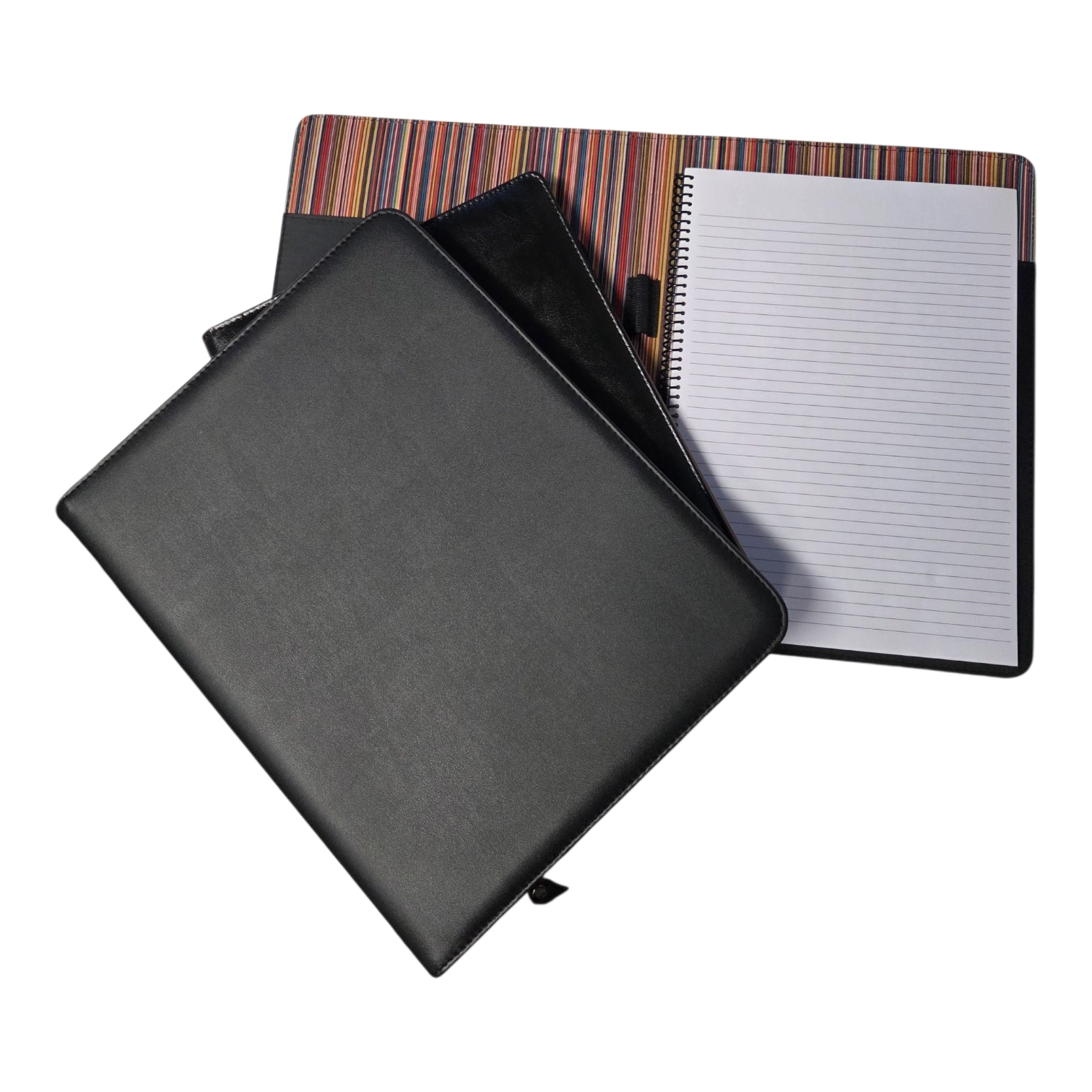
This guide breaks down both options in a way that’s clear and practical, so you can choose a compendium that matches your budget, your brand values, and the experience you want to create.
Leather Compendiums: Pros and Cons
Leather compendiums have been the gold standard for decades — and for good reason. They feel premium, they look polished, and they leave a lasting impression when you hand them out.
Pros
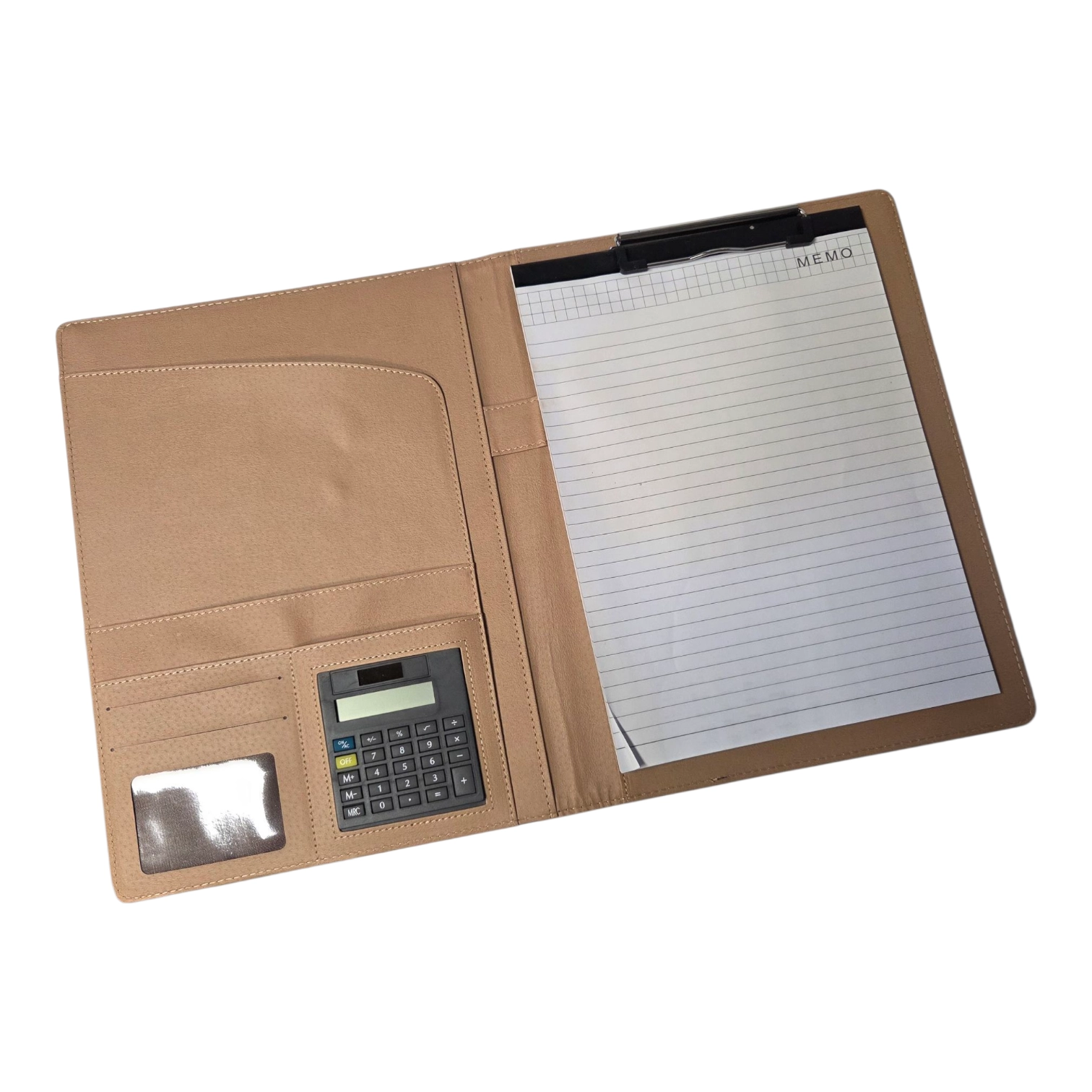
- Executive look and feel: Ideal for boardrooms, pitches, and high-stakes meetings.
- Durability: Genuine leather wears in beautifully over time. It is called Patina. Truth be told, some like this look, whilst others prefer the leather-look original and new. I put it under Pros because generally, most people like this look.
- Perceived value: Recipients instantly see it as a high-value item, which reflects well on your organisation.
Cons
- Higher price point: Expect to pay anywhere from wholesale $20–$150 per unit.
- Maintenance required: They need occasional conditioning to avoid cracking.
- Not animal-free: Genuine leather won’t suit vegan organisations or those seeking cruelty-free merchandise.
Leather compendiums are perfect when your goal is prestige — think C-suite gifts, executive presentations, or milestone anniversaries.
Non-Leather Compendiums: Pros and Cons
Non-leather options have come a long way. Today’s PU leather, fabric, and recycled compendiums can look just as sharp as their leather counterparts — often at a fraction of the cost.
Pros
- Budget-friendly: Typically wholesale $10–$60 each, with bulk order discounts that make them ideal for conferences or staff welcome packs.
- Low maintenance: Easy to wipe down and resistant to scuffs.
- Sustainable options: Choose from recycled PU, cork, or fabric to reduce environmental impact.
- Colour variety: Go beyond black and brown — there are plenty of modern colours available for a fresh, branded look.
Cons
- May not feel as premium: Psychologically (which is a very significant deal). It may not feel as premium.
- Durability varies: Lower-cost PU can crack or peel over time, so quality matters.
These are a strong pick for large-scale gifting, internal staff kits, or eco-conscious organisations looking for a cruelty-free option.
Cost Comparison
Price often drives the decision between leather and non-leather compendiums, especially when ordering in bulk.
- Leather Compendia: $20–$150 each. Bulk orders beyond 100 pieces can lower the price per unit, but they will still sit in the premium category.
- Non-Leather Compendia: $10–$60 each. Larger quantities over 100 make these extremely cost-effective, perfect for handing out at conferences or onboarding programs.
If you’re ordering more than 50 units, non-leather is generally the more budget-friendly choice without sacrificing professionalism.
Environmental and Ethical Considerations
Sustainability is top of mind for many organisations. Leather production uses animal hides and significant resources in the tanning process. While there are responsibly sourced leathers available, they’re still not vegan.
Non-leather alternatives — mainly recycled PU, cork, and organic fabric — have a smaller environmental footprint and align well with eco-friendly company values. If your brand champions sustainability, highlighting your choice of recycled or vegan compendiums can add to your story.
Leather vs Non-Leather: Side-by-Side Comparison
| Feature | Leather Compendiums | Non-Leather Compendiums |
|---|---|---|
| Look & Feel | Classic, sophisticated | Modern, versatile |
| Durability | Very high, ages well | Moderate – quality varies |
| Cost (Wholesale) | $20–$150 each | $10–$60 each |
| Maintenance | Needs care and conditioning | Wipe-clean, low maintenance |
| Eco Impact | Higher (animal + water use) | Lower (esp. recycled PU) |
| Brand Perception | Premium, executive-ready | Practical, approachable |
What I Prefer
Which Should You Choose?
It really comes down to purpose and audience:
1. Choose leather compendiums if you want to make a premium impression — it’s excellent for executive gifts, client presentations, or celebrating significant milestones.
2. Choose non-leather compendiums if you need large numbers at a reasonable price, want a wider range of colours, or are working with eco-conscious stakeholders.
And here’s a tip: many organisations mix and match — ordering leather compendiums for VIPs and non-leather for wider teams. That way, you get the best of both worlds.
[team_member image_url=”272549″ team_memeber_style=”meta_below” link_element=”name” color=”Accent-Color” image_size=”thumbnail” name=”Charles Liu” job_position=”Owner” description=”Charles Liu is the Founder and a recognised authority in the promotional products industry in Australia. With over 17 years of experience, he has guided Cubic Promote to work with over 10,000 Australian organisations. His specialty is helping Aussie companies select the right products that stay within their budget. He also specialises in sourcing and assisting brands and government agencies in selecting corporate gifts for VIPs and high-profile clients. A regular contributor to industry blogs, Charles shares his expert insights on using promotional products to achieve business goals. Charles’s deep understanding of industry trends and strong supplier relationships make him a trusted figure in the sector, continually influencing the development of promotional product strategies that deliver tangible, measurable results.” link_url=”https://new.cubicpromote.com.au/blog/author/charles”]Years of experience[/team_member]