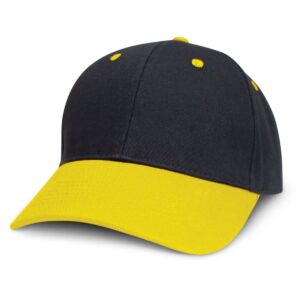
How We Plan the Right Merchandise Quantities for Multi-Day Events?
Key Points
- Planning quantities for multi-day events starts with real attendance data and daily traffic patterns to match stock with actual demand.
- Managing distribution and choosing practical items helps reduce waste, and I suggest controlling release to avoid early shortages or excess stock.
- Cubic Promote helps clients refine quantities and adjust plans based on real event performance to minimise waste.
One of the main things our account managers help clients with is planning and deciding on the right quantities. When I plan merchandise for multi-day events, my goal is simple. Avoid waste. If you order too little, you might run out of merch. But if you order too much, you’re stuck with leftover stock. In this guide, I’ll walk through how we help clients decide on the quantities, the factors that affect order sizes and the common mistakes to avoid.
Why Waste Happens at Multi-Day Events?
Multi-day events refer to events that lasts for two days or more. This includes trade shows like the Syney Royal Easter Show. Other multi-day events we have supplied merch for are expos, conferences, and festivals. Most waste happens because of planning gaps, not because of the products.
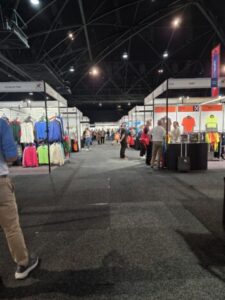
- Overestimating attendance
- Choosing the wrong item type
- Ignoring daily behaviour
Every day at an event is different. If you don’t manage stock for those changes, it can pile up quickly.
Step 1: Start with Real Attendance Data
It’s important to do your research on the event. By research, I mean, actual data of the number of attendees from the past two years.
- Past attendance data
- Daily traffic patterns
- Peak vs low periods
The first day usually has the most activity. Later days need closer stock control.
Step 2: Match Products to Event Behaviour
Some items work better on certain days than others.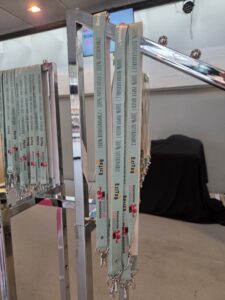
- High-demand items early
- Practical items mid-event
- Easy-to-carry items at the end
We match products to how people move and interact at the event. This helps keep stock moving at a steady pace.
Step 3: Control Distribution
You need to manage stock carefully, not just give it out freely.
- Set limits per person.
- Guide distribution through staff
- Hold stock for later days.
If you don’t control distribution, popular items run out fast. This leaves gaps later in the event.
Step 4: Choose Items People Keep
Waste isn’t only about leftover stock. It also includes items people throw away. Choosing practical, high-quality items is the best way to ensure you are providing corporate gifts with long-term brand recall rather than novelty products that end up in event bins.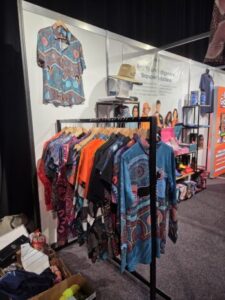
- Low-quality items get discarded.
- Irrelevant items get ignored.
- Poor design reduces interest.
We choose items that people will actually use after the event. Read our blog
Step 5: Plan Exit Strategy for Remaining Stock
While we try our best to avoid waste, leftover stocks can still happen. So it’s important to plan for it. Example is to:
- Use non-dated designs (Instead of including event dates, just print with your logo or QR code)
- Avoid event-specific messaging
This way, we can reuse stock in future campaigns and reduce overall waste.
Step 6: Keep Product Selection Focused
A smaller, focused range of products works better over several days.
- Having fewer items means each product gets more attention.
- Easier stock tracking
- There’s also less risk that products won’t sell quickly.
Step 7: Adjust Based on Live Performance
Even the best plans sometimes need changes during the event.
- Monitor which items move fastest.
- Identify slow stock early.
- Shift distribution where needed
This step helps keep waste to a minimum throughout the event. If you skip it, early guesses can lead to problems later.
Keep Control Across the Whole Event
Multi-day events need more attention than single-day ones. Each day behaves differently, so you can’t treat it as one block. Our account managers are experts at helping clients finalise the quantities. But we don’t just estimate. We base it on:
- Real data from past events
- Products people actually want
- Controlled release of stock across each day
Ready To Buy?